Winter Korean food guide
Bungeoppang · 붕어빵
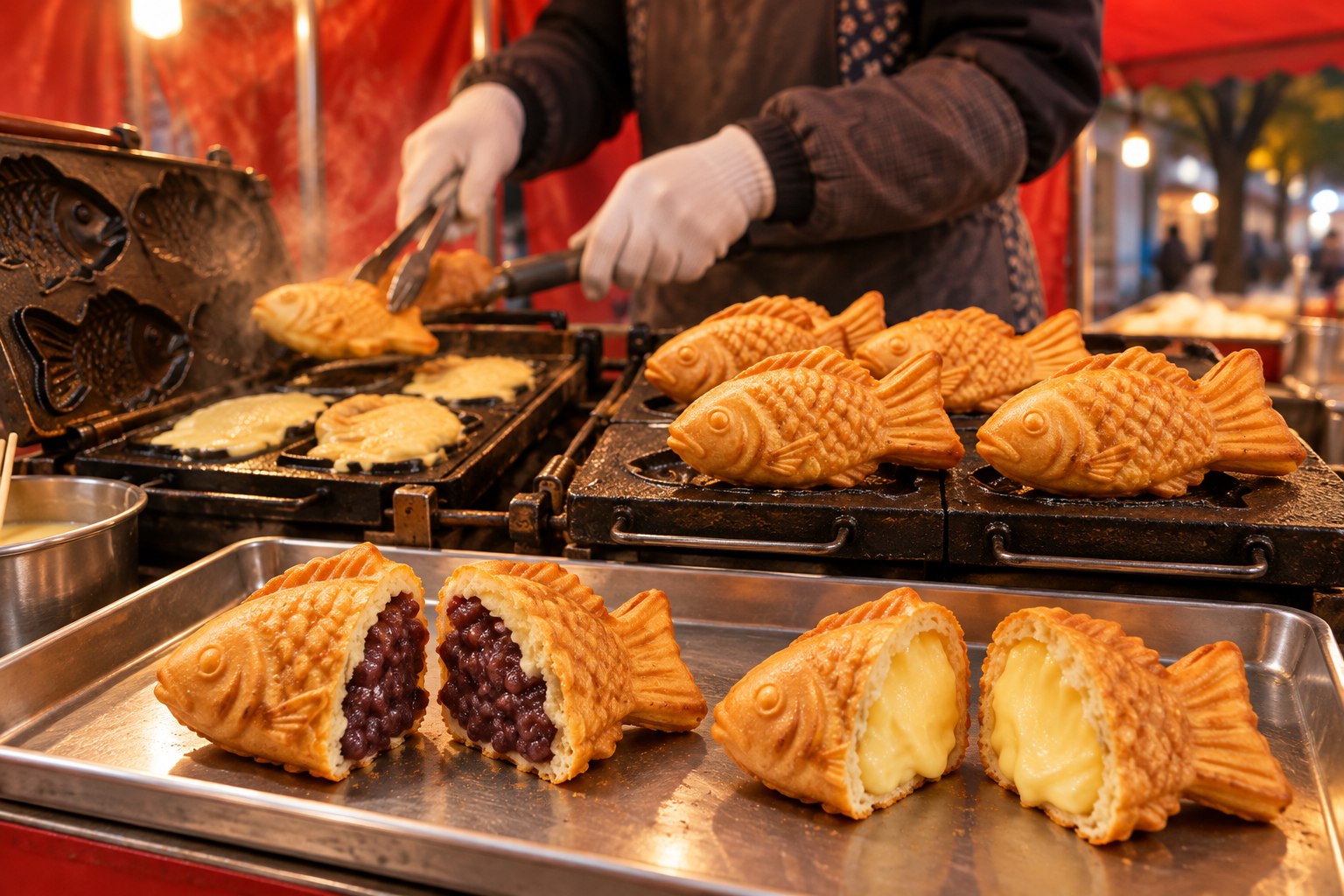
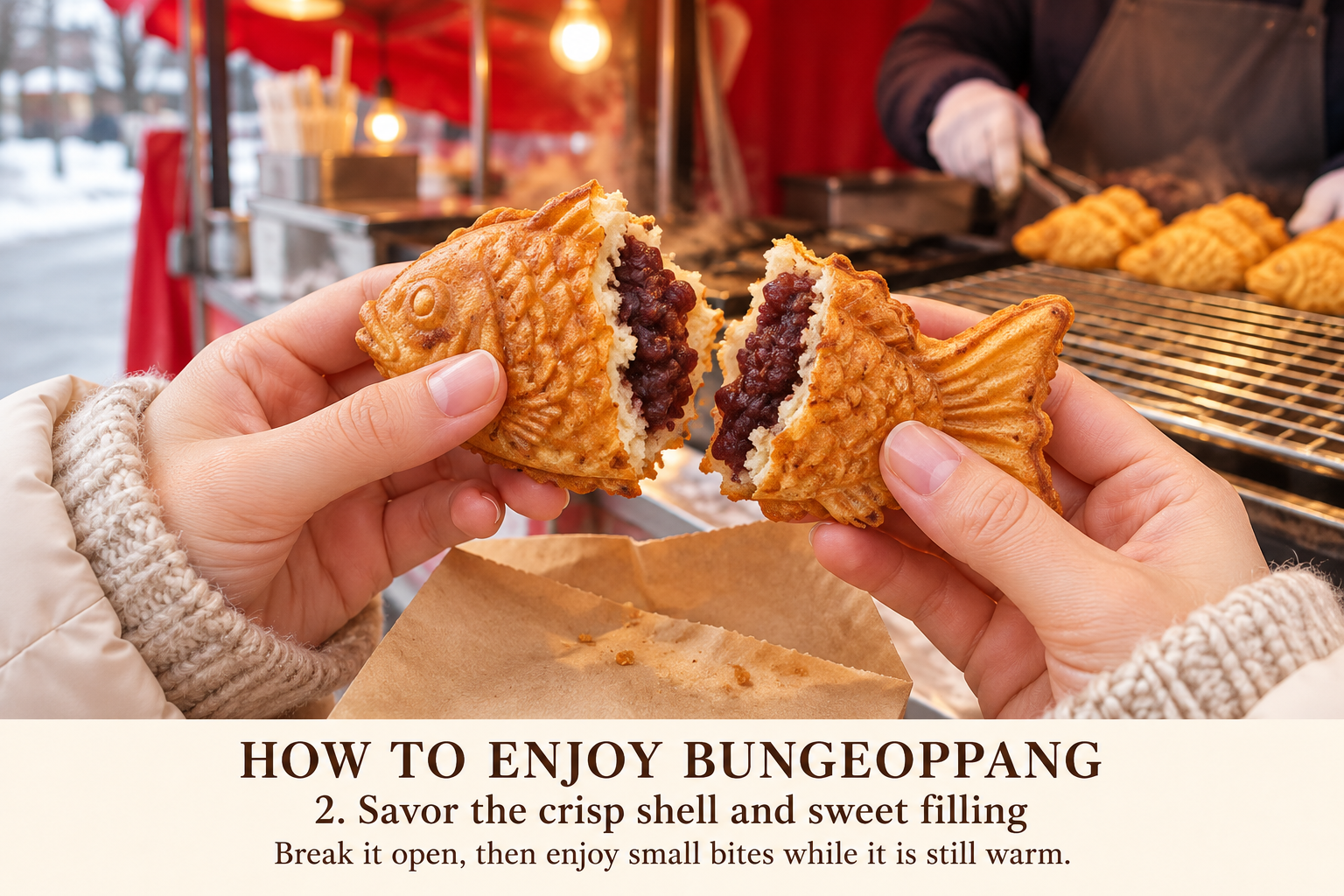
Bungeoppang is a fish-shaped griddle cake rather than a seafood dish. A thin wheat-based batter surrounds red-bean paste, custard or another filling; the best pieces balance crisp browned edges with a tender inner layer and a hot, smooth center.
Flavor & texture
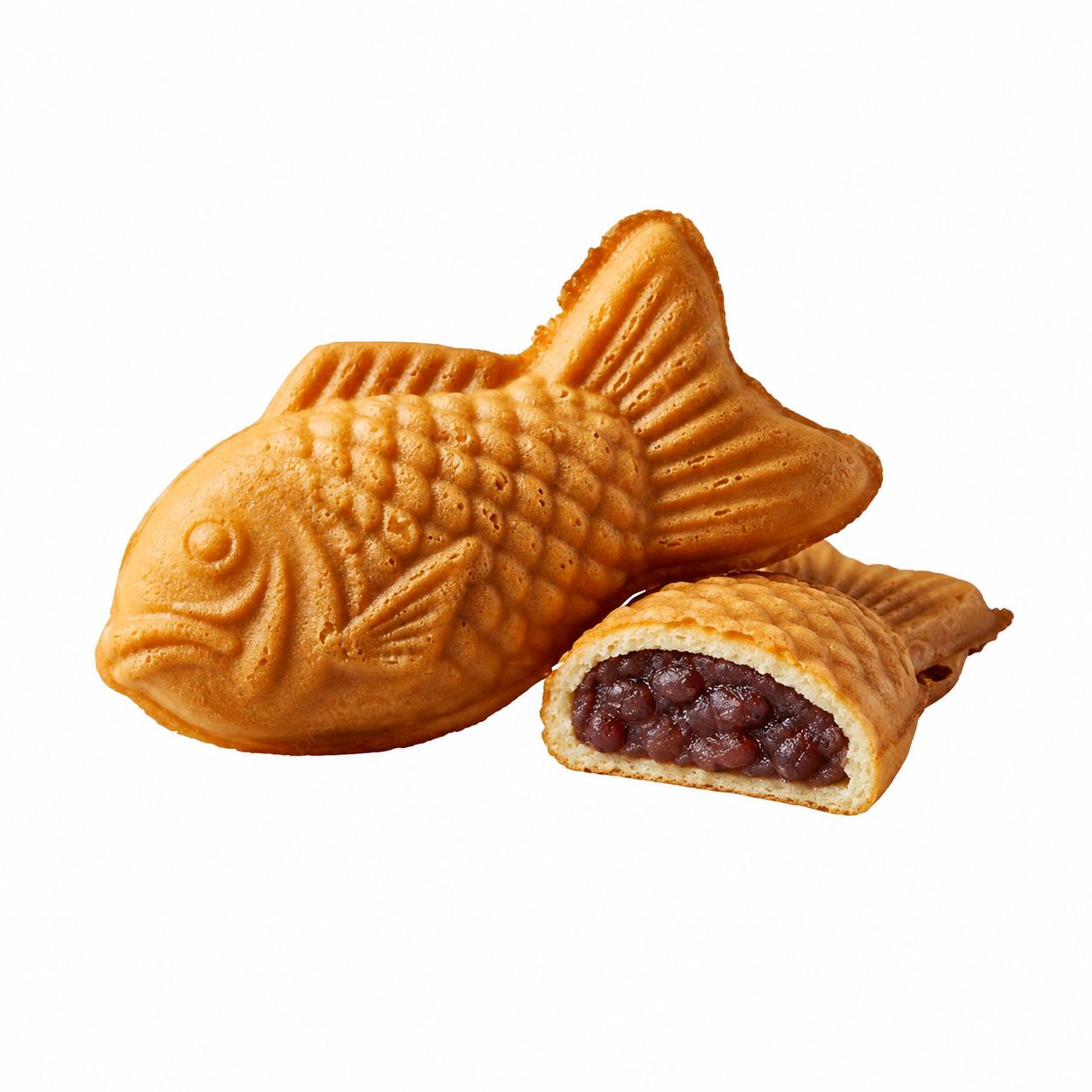
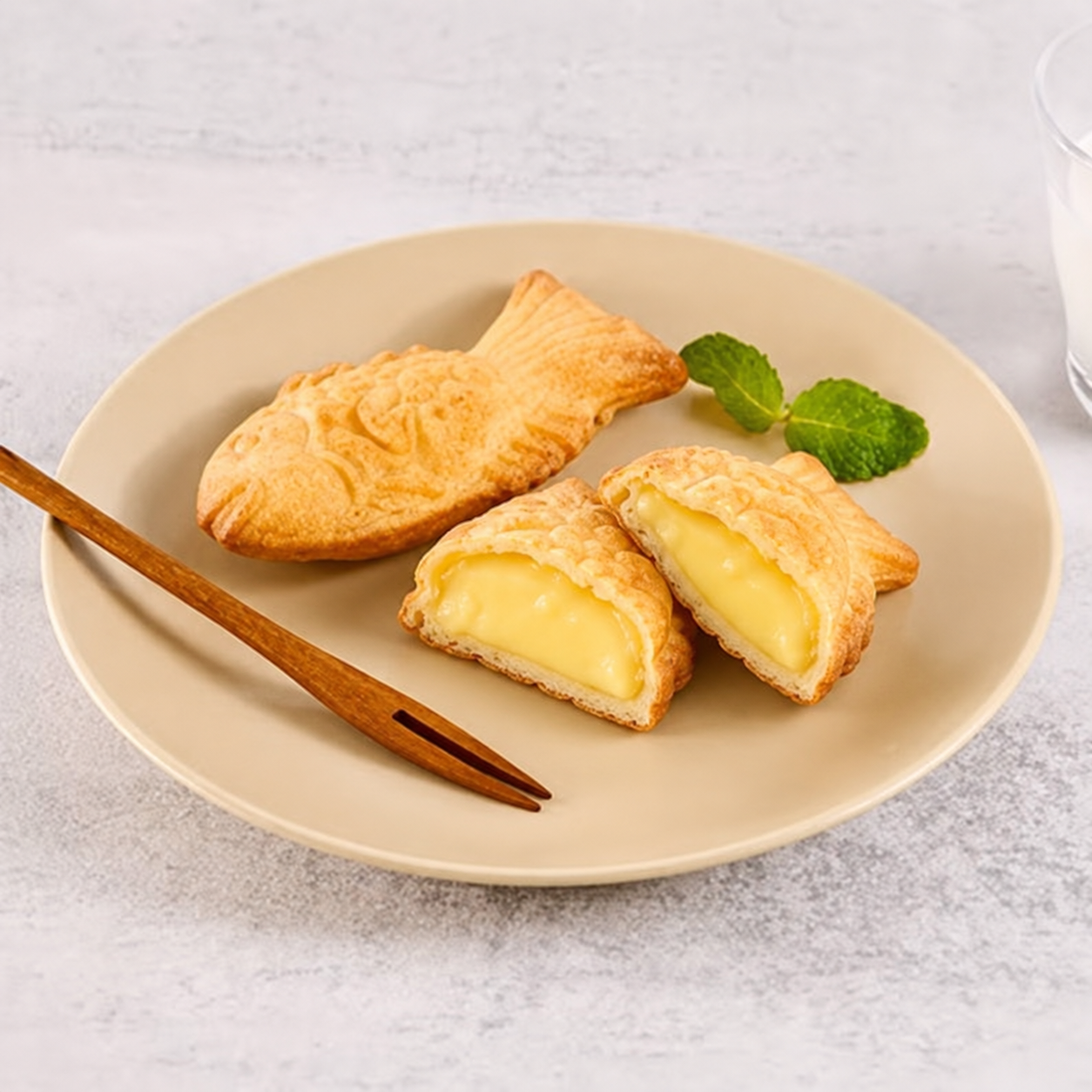
The shell is lightly sweet and toasty, with crisp fins and edges when served fresh. Red bean adds earthy sweetness and a slightly textured finish; custard is smoother, richer and often sweeter.
Nutrition context
Batter and filling provide most of the carbohydrate and energy. Red-bean paste may add some fiber and plant protein, while custard can add milk, egg and more fat. Size and filling ratios vary widely.
How it is made
Vendors pour batter into a heated fish-shaped mold, add filling, cover it with more batter and close the mold until both sides brown. Pieces eaten soon after cooking have the clearest contrast between crisp shell and soft filling.
Chili heat
0/5. The important caution is temperature: the filling can remain hot enough to burn after the shell feels manageable.
Main ingredients
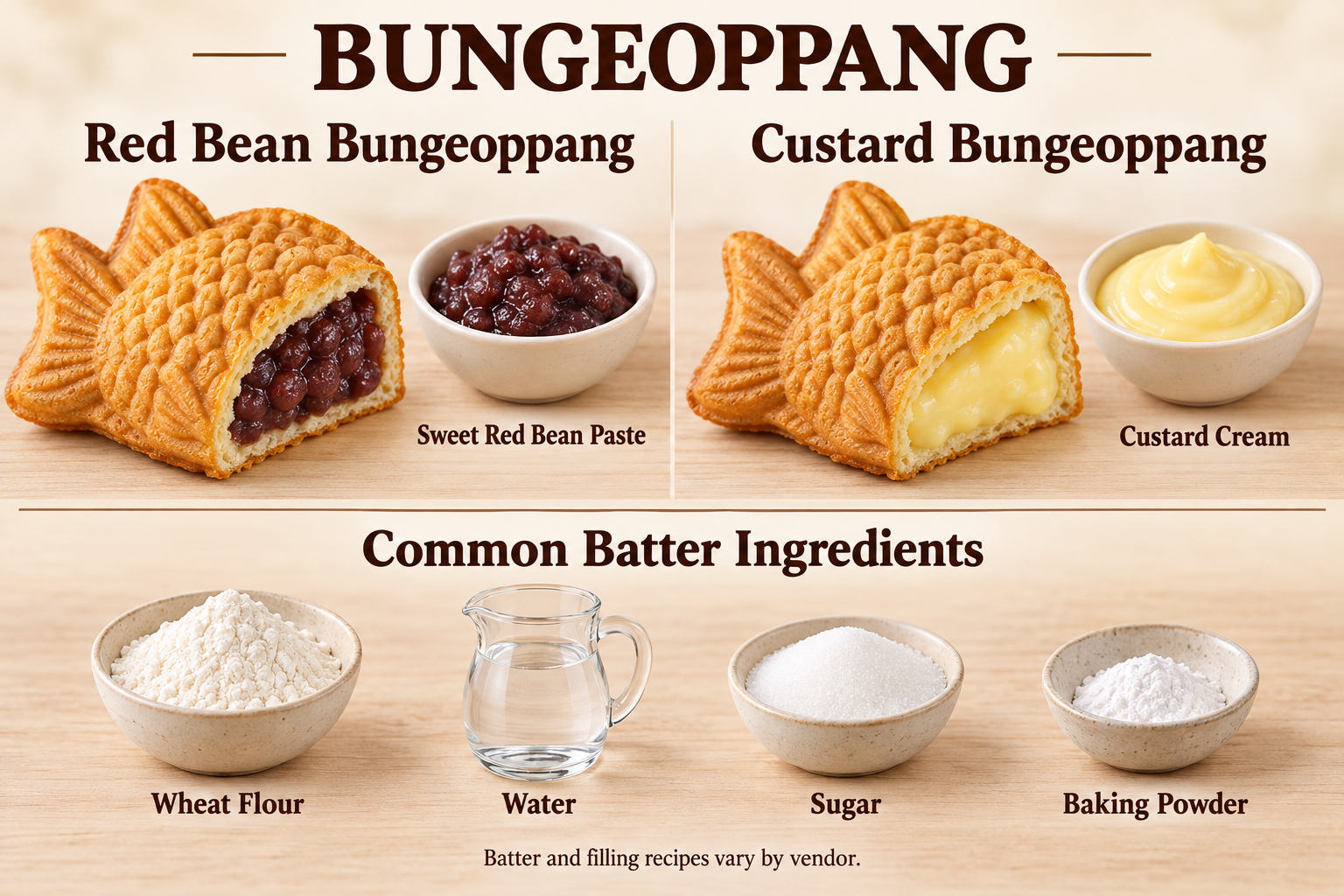
The batter commonly uses wheat flour, water, sugar and a raising agent. Sweet red-bean paste and custard are two distinct filling choices; milk and egg depend on the batter and filling recipe.
Choose your filling
How to enjoy it

Reference: Korea Tourism Organization: winter street foods. Nutrition varies by recipe, portion and restaurant.
More from this season
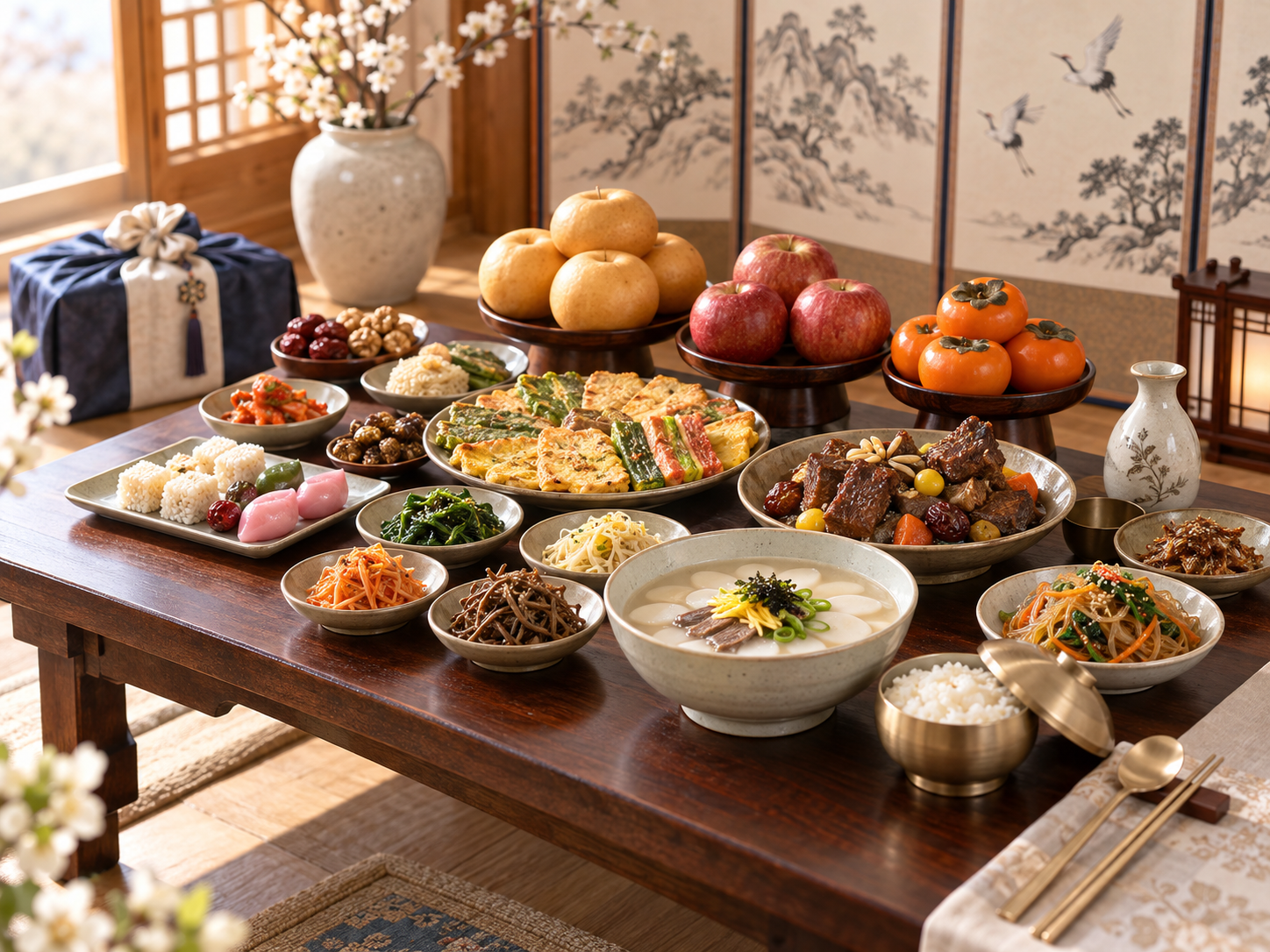 Seollal Food & Table TraditionsWhy Koreans welcome the Lunar New Year with tteokguk, and how to understand the family table, ancestral rites and holiday scenes.
 Dongji: Winter Solstice, Patjuk & Table TraditionsDiscover why red bean porridge marks the winter solstice, how protective symbolism developed and how to read a modern Dongji table.
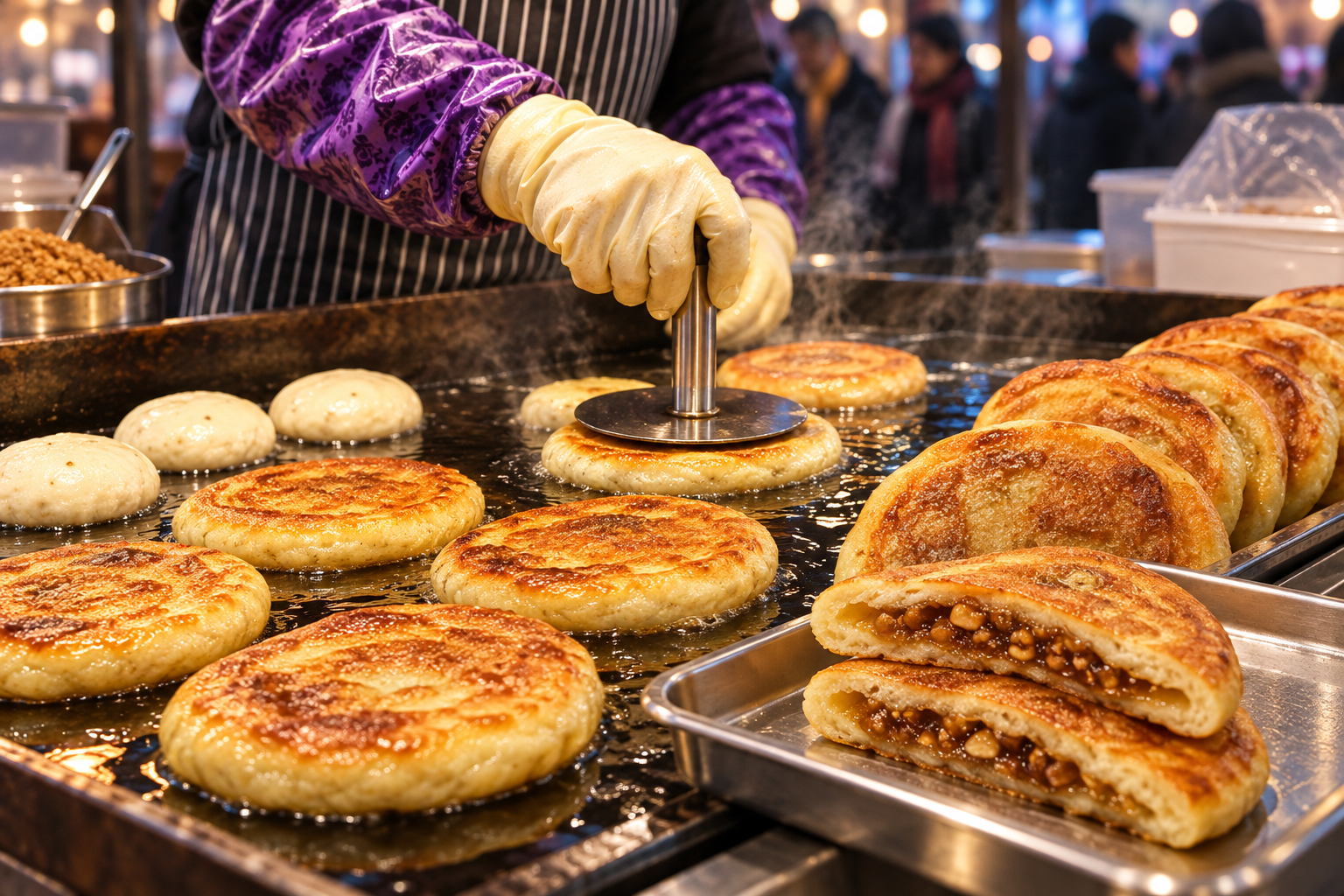 Hotteok · 호떡Hotteok is a filled yeast pancake cooked on a greased griddle and pressed flat. The classic sweet version hides brown sugar, cinnamon and often seeds or chopped nuts inside a chewy dough.
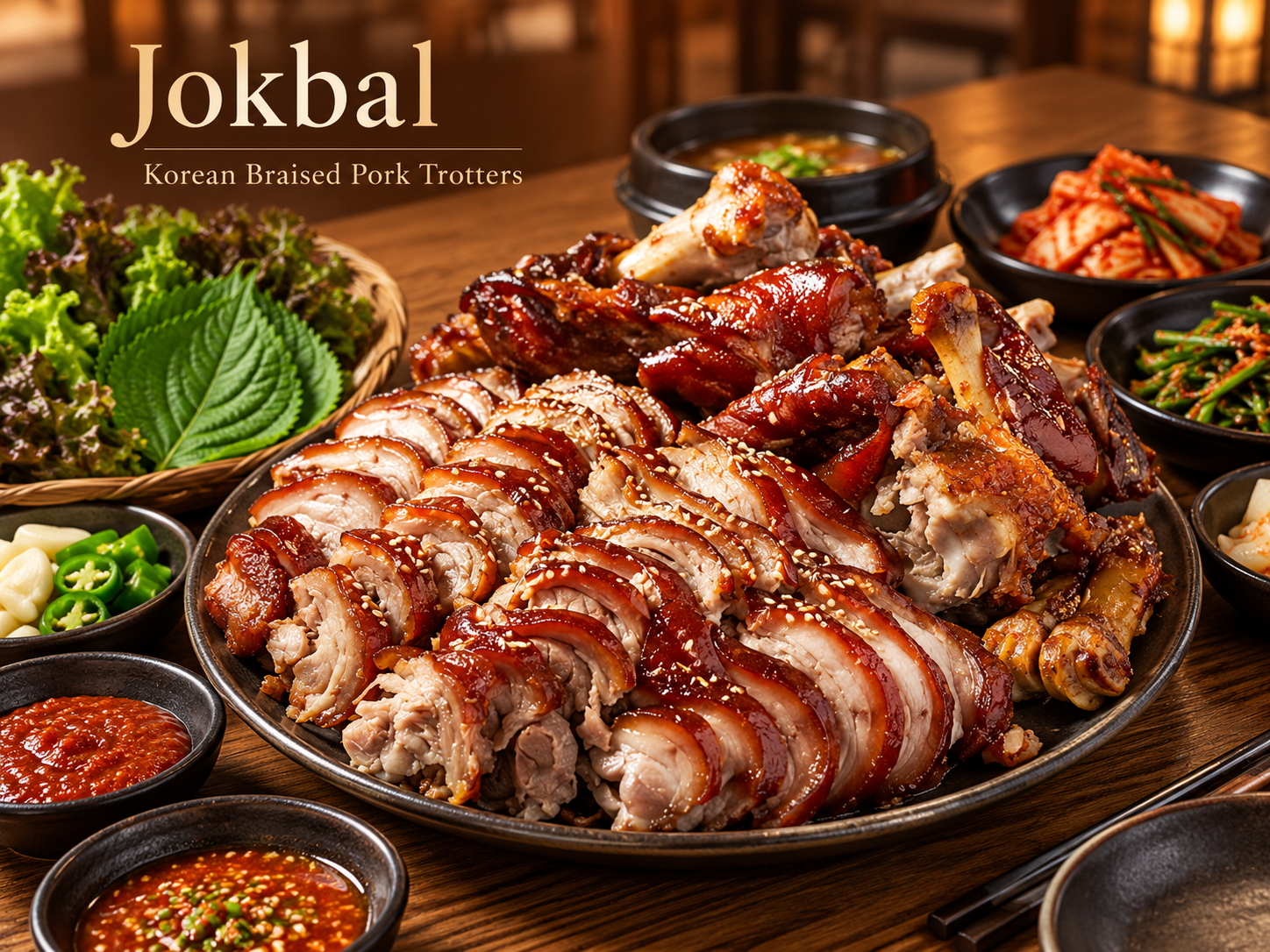 Jokbal · 족발Jokbal is pork trotter slowly cooked in a soy-based braising liquid, cooled just enough to set its texture and sliced for sharing. The dish is eaten year-round, but the warm platter, lettuce wraps and communal table make it especially satisfying on a cold evening.
HELP IMPROVE THIS GUIDE
Leave a Reply