EVERYDAY, CELEBRATION & HANJEONGSIK · 한상차림
Han-sang charim: ingredients, nutrition & how to enjoy it
A full Korean table with stone-pot rice, stew, wraps and banchan, explained in six illustrated dining steps.

What is Han-sang charim?
Han-sang charim means a meal laid out as a full table setting. It is a way of presenting and sharing food rather than one fixed recipe. The illustrated spread centers on stone-pot rice and soybean-paste stew, accompanied by bossam pork, beef, japchae, jeon and vegetable side dishes. Each bite can combine the mildness of rice with a different savory, tangy or crisp accompaniment.
Han-sang and hanjeongsik can describe overlapping meals. Here, the focus is the practical experience of a table served together, particularly the stone-pot rice and its toasted-rice finish. Stone pots, bossam and the exact side dishes shown are examples, not requirements of every han-sang menu.
Ingredients and what they bring to the meal

Rice and the toasted layer
The hero image shows stone-pot rice with beans and yellow pieces, while the step image uses plain rice. Toppings vary; the picture alone cannot confirm their identity or recipe. The rice at the bottom may form a toasted layer called nurungji.
Pork, beef and tofu
Bossam is sliced boiled pork, often served with kimchi and leaves. The table also shows a seasoned beef dish and tofu in stew. Meat cuts and portion sizes strongly affect the fat and protein balance.
Vegetables, noodles and pancakes
Leafy greens, sprouts, cucumber, mushrooms and zucchini supply varied textures. Japchae adds starch noodles, while jeon adds a flour-and-egg coating in many versions.
Doenjang and condiments
Fermented soybean paste gives the stew a savory base. Ssamjang, soy-based sauces, garlic and sesame season the other dishes. Stock may contain anchovies, shellfish or meat even when tofu and vegetables are the most visible ingredients.
Nutrition in context
This format offers variety, but portions and preparation matter more than the number of bowls. Rice and japchae both contribute carbohydrate; pork, beef and tofu contribute protein; vegetables contribute fiber. Fat varies with the pork cut and the oil used for pancakes and noodles. Stew, kimchi, braised side dishes and dipping sauces can together supply substantial sodium. Take small initial portions, dip lightly and decide whether you still want the rice finish after the main meal. No reliable calorie count can be inferred from the photographs.
Allergens and dietary needs: Soy, wheat, sesame and egg are common possibilities; fish and shellfish can be hidden in stock, kimchi or condiments. This pictured menu includes pork and beef and is not vegetarian.
How to enjoy Han-sang charim: a photo guide
Use these scenes as a practical guide. The pictured dishes are examples; follow the menu and serving arrangements at your restaurant.
1. Stone-pot rice: save the toasted layer

The first scene shows cooked rice being transferred from the hot pot into an individual bowl. Scoop out the loose rice gently, leaving the browned layer attached to the bottom. Keep fingers away from the stone and wooden lid hardware. If the restaurant offers a water-soaked finish, ask when to add the supplied water.
2. Banchan and stew: alternate small tastes

The second scene shows tofu stew being ladled into a personal bowl alongside rice and side dishes. Use the shared ladle rather than an eating spoon in a communal pot. Try a little green vegetable, kimchi or cucumber with rice, and let the stew cool before tasting. You do not need to mix every side dish together.
3. Bossam wraps: balance pork and vegetables

The third scene shows sliced boiled pork on a leaf with kimchi and a dab of ssamjang. Fold a small wrap so the tender pork and crisp or tangy vegetables can be tasted together. Garlic and chili are optional additions, not mandatory steps. Use less paste at first because the kimchi already supplies seasoning.
4. Japchae: take a small bundle

The fourth scene shows glass noodles, mushrooms and vegetables lifted over an individual plate. Serve a modest bundle to keep the shared platter tidy and enjoy the springy texture. Because noodles and rice are both starches, you can adjust their portions to suit your appetite.
5. Jeon: keep the dip light

The fifth scene focuses on zucchini pancakes. Their browned coating contrasts with the moist vegetable inside. Eat them while warm and dip one edge lightly in sauce. Ask about flour, egg and any mixed seafood ingredients if these matter to your diet.
6. Nurungji: return to the rice pot

The sixth scene shows softened toasted rice in liquid. When offered, pour the restaurant’s designated warm water into the pot after removing the loose rice, cover as instructed and allow the toasted layer to soften while you eat. The resulting rice and infusion make a mild finish. Let it cool, and never pour a liquid into the pot unless staff confirm it is intended for this purpose.
Stone and earthenware retain heat. Use the trivet, avoid touching the pot and ask staff for help with lids or water. Use clean serving tools for shared dishes.
Before you order
Confirm whether the set is priced per person, whether there is a minimum order and whether the stone-pot rice and stew are individual or shared. Ask which dishes are included today and which can be refilled. If a water jug is provided, confirm whether it is intended for the rice pot; staff can demonstrate the toasted-rice finish. Tell the restaurant about dietary restrictions before the table is assembled.
Useful Korean phrases
How should I eat the stone-pot rice?
Should I pour this water into the rice pot?
Does this set contain pork?
Sources and editorial notes
Food descriptions and photo explanations are VEMORIQ editorial guidance. Images illustrate possible servings, not verified restaurant menus. Nutrition is qualitative and is not a laboratory analysis or a personalized diet plan.
- Korea Tourism Organization: Korean food background
- USDA MyPlate: protein foods and nutrients
- FDA: safe food handling
Prepared by the VEMORIQ Editorial Desk · Updated October 2, 2026.
More from this season
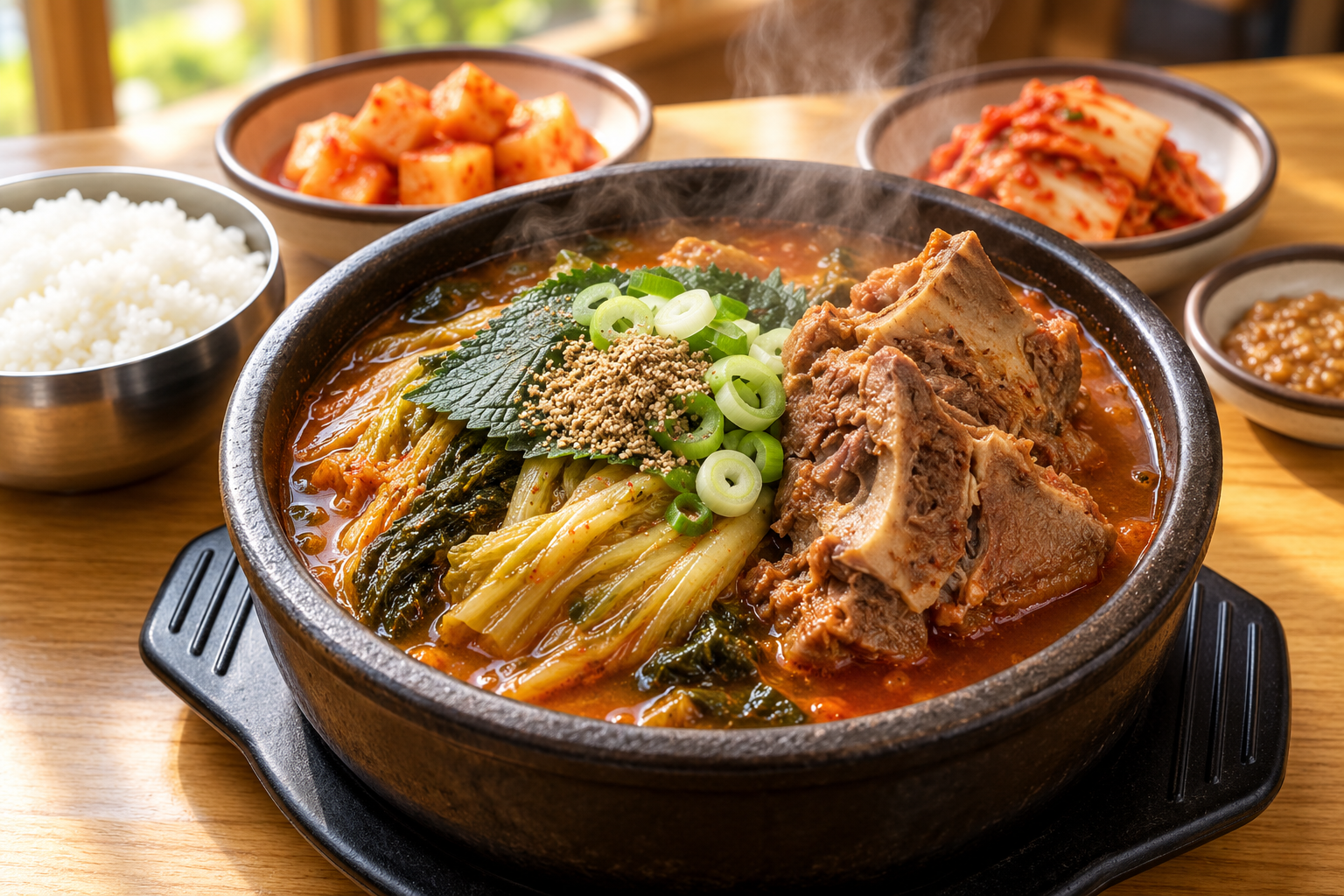 Ppyeo-haejanggukTender pork around the backbone, leafy greens and a spicy, savory broth: learn the ingredients and how to enjoy the bowl comfortably.
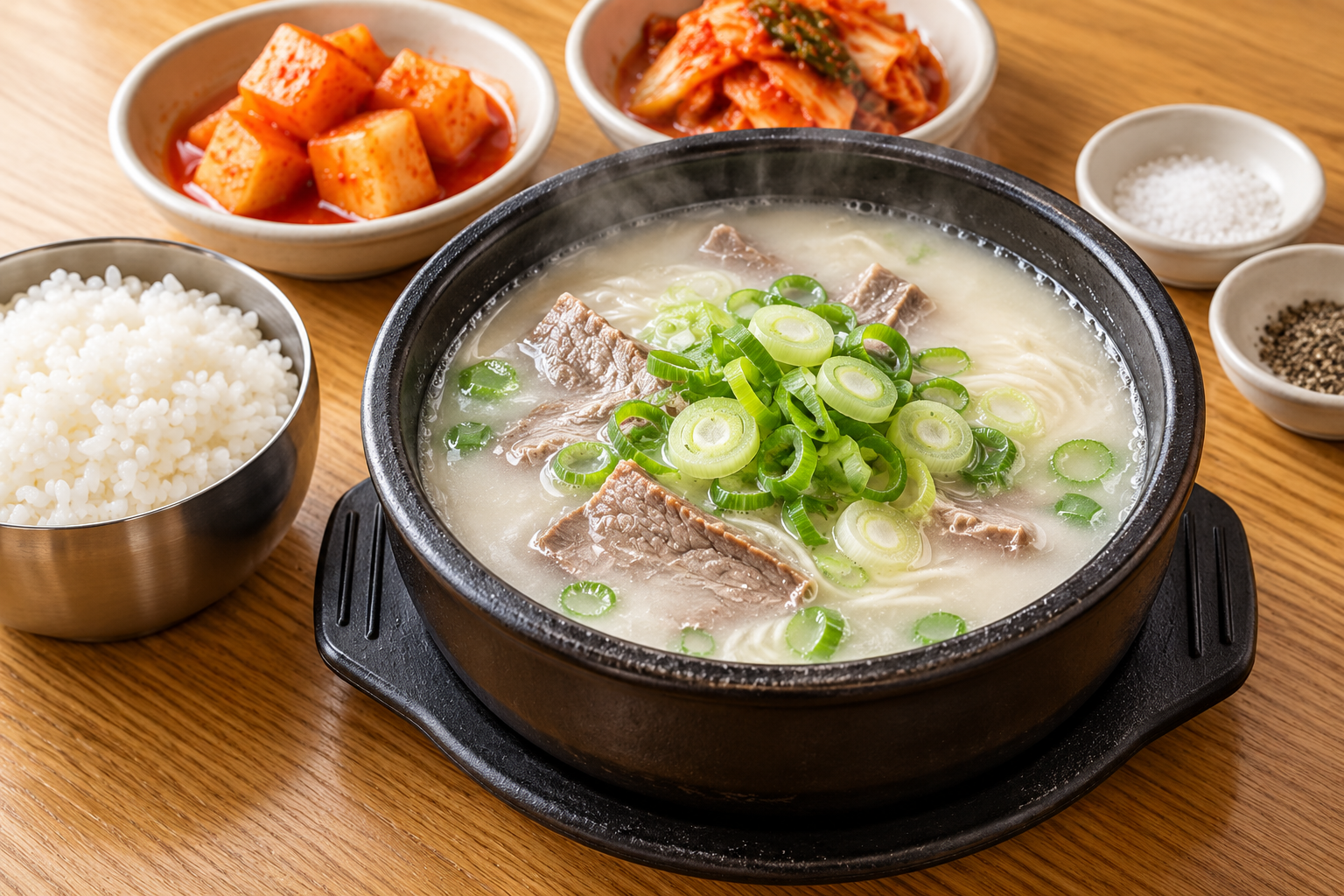 SeolleongtangMilky Korean beef bone soup: learn the ingredients, how to season it, and how to enjoy beef, rice and kkakdugi.
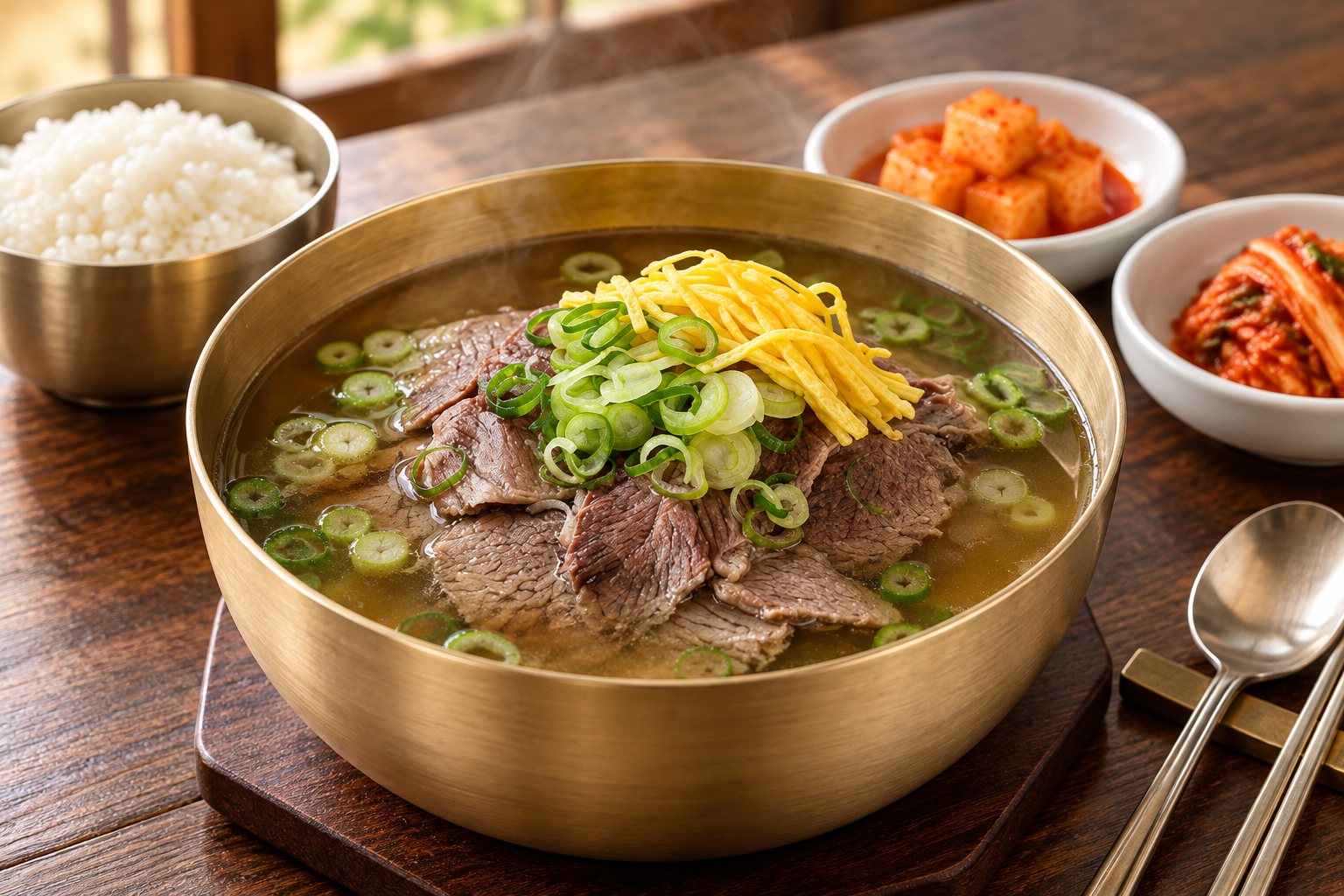 GomtangA clear beef soup style with tender sliced meat: discover gomtang ingredients, restaurant variations and two easy ways to enjoy it.
Official reference: Korea Tourism Organization: Korean food guide. Ingredients, portions and restaurant preparation vary; confirm allergens and dietary needs with the restaurant.
HELP IMPROVE THIS GUIDE
Leave a Reply