YEAR-ROUND SOUP GUIDE · 뼈해장국
Ppyeo-haejangguk: ingredients, nutrition & how to enjoy it
Tender pork around the backbone, leafy greens and a spicy, savory broth: learn the ingredients and how to enjoy the bowl comfortably.

What is Ppyeo-haejangguk?
Ppyeo-haejangguk is a Korean soup built around meaty pieces of pork backbone and well-cooked leafy greens. The featured bowl has a red broth, softened cabbage, scallions, perilla leaves and ground perilla seeds. Rice and kimchi sit alongside it. Its appeal is both flavor and texture: savory broth, tender strands of pork, yielding greens and fresh aromatic toppings.
The Korean word ppyeo means bone. The bones give the serving its distinctive appearance, but the edible portion is the meat attached to them. Unlike a soup of neatly sliced meat, this bowl rewards a little patient preparation at the table. A side plate makes it much easier to separate the meat and keep discarded bones out of the meal.
Food culture and related dishes
Haejangguk is commonly translated as “hangover soup,” reflecting a cultural association with a hearty meal after drinking. You do not need to drink alcohol to enjoy it, and the name should not be read as a medical claim. This guide treats it as an everyday soup-and-rice meal, available in varying forms rather than as one standardized recipe.
Ppyeo-haejangguk and gamjatang belong to a closely related family of pork-backbone dishes. On many menus, the former is an individual soup and the latter a larger shared pot. Gamjatang can include potatoes and additional vegetables or extras, but naming and serving practices vary. Ask about portion size and ingredients instead of assuming the two menu names guarantee the same bowl.
How it is made
Prepared pork bones are simmered until the attached meat becomes tender. Greens and seasonings are cooked with the broth, and the bowl is finished according to the kitchen’s style. Soybean paste, garlic, chili and scallions can contribute depth and aroma. The result should be understood as a cooked combination: removing a topping at the table does not undo ingredients already incorporated into the stock.
Main ingredients and their roles

Pork backbone
The central ingredient is pork, including the meat around the backbone. Pieces differ in shape and how much meat they carry. Ease the tender meat away from the bone; the size of a bone is not a reliable guide to the amount of edible pork.
Cabbage and other greens
The supplied images feature napa cabbage leaves. Some restaurants use ugeoji, prepared outer cabbage leaves, while others use siraegi, commonly dried radish greens. These are related choices for a substantial leafy texture, not interchangeable names for one ingredient.
Perilla leaves and ground seeds
The illustrations show both fresh perilla leaves and ground perilla seeds. The leaves add a distinctive herbal aroma; the ground seeds bring a nutty taste and body. Perilla is different from sesame, so identify the ingredient clearly if you need to avoid either.
Chili, soybean paste and aromatics
Korean chili flakes provide color and heat. Soybean paste adds fermented savor, with garlic and scallions supporting the broth. Soy sauce or other prepared seasonings may also be used. Exact proportions and ingredients differ between kitchens.
Flavor, texture and chili heat
Expect a savory pork base, soft greens and a pronounced chili-seasoned character in the pictured style. Perilla can give the broth a slightly grainy richness. The red color does not tell you the exact heat level. Since the stock may be prepared in advance, a restaurant might not be able to turn its normal soup into a completely mild version on request.
Nutrition in context
The pork contributes protein, rice supplies starch, and greens add vegetable variety. The balance depends on the amount of edible meat, fat, rice and seasonings, not the apparent size of the bowl. Broth, soybean paste, sauces and kimchi contribute sodium. Taste before adding anything and choose how much broth you want to drink; finishing it is not a dining rule. These illustrations do not establish a calorie, calcium or protein total.
Dietary and allergen check: This dish contains pork and commonly soy-based seasonings. Wheat may be present in prepared pastes or sauces. Perilla, sesame, fish or shrimp ingredients may occur in the soup, sauces or kimchi, depending on the restaurant. Explain the specific ingredient you must avoid and confirm the stock as well as visible toppings.
How to enjoy Ppyeo-haejangguk: a photo guide
1. Gently separate the meat

The first scene shows a bone resting on a side plate while chopsticks loosen the pork. Move one piece carefully using the utensils provided; ask for tongs if it is too awkward to lift securely. Let it cool before handling. Use the spoon to steady it and the chopsticks to ease meat from the crevices, without forcing a slippery piece over the hot bowl.
Check the separated meat for small bone fragments before taking a bite. Put bare bones on the designated plate and keep that plate separate from shared side dishes. There is no need to finish extracting every tiny piece if doing so is uncomfortable.
2. Enjoy with rice and kimchi

The second scene pairs separated pork and cabbage with rice. Make a manageable spoonful, add a little broth and let it cool before eating. You can keep rice separate or add some to the soup according to preference. Remove bones first if you plan to mix the rice into the bowl.
Alternate with a piece of crunchy kkakdugi, the cubed radish kimchi, or cabbage kimchi. These accompaniments add a different texture and tang; they do not need to be mixed into the broth. If a dipping sauce is provided, try a small amount on one piece of pork before deciding how much you like.
Before you order
Confirm that the listing is for one person, whether rice is included and how spicy the prepared broth is. Ask for an extra plate for bones if one is not provided. If you prefer a soup without bone handling, compare other options in the field guide before ordering. Opening hours, refills and portion sizes are restaurant-specific, and the illustrations do not represent a fixed menu.
Useful Korean phrases
One ppyeo-haejangguk, please.
Is it very spicy?
Please bring a plate for the bones.
Is rice included?
Questions visitors often ask
Does every bowl contain potatoes?
No. Potatoes are not shown in the supplied ingredient image, and restaurant recipes differ. Check the menu if potatoes or other additions matter to you.
Is this the same as seonji-haejangguk?
No. Ppyeo-haejangguk identifies a pork-backbone soup; seonji refers to blood curd. Do not assume all dishes labeled haejangguk have the same protein or broth.
Can I order it without drinking alcohol?
Yes. Its English nickname describes a cultural association, not a condition for ordering. Enjoy it as a regular meal.
Explore other bowls
Galbitang: beef short-rib soup →
Kongnamul gukbap: soybean-sprout rice soup →
Gomtang: a featured clear beef soup →
Sources and editorial notes
- Korea Tourism Organization: Pork Backbone Hangover Soup
- Korea Tourism Organization: Pork Backbone Stew
VEMORIQ Editorial Desk · Updated October 2, 2026. The sources inform the dish descriptions; the photo commentary explains the supplied illustrations. Images are not documentary photographs of a named restaurant. Recipes, greens, condiments and serving arrangements vary.
More from this season
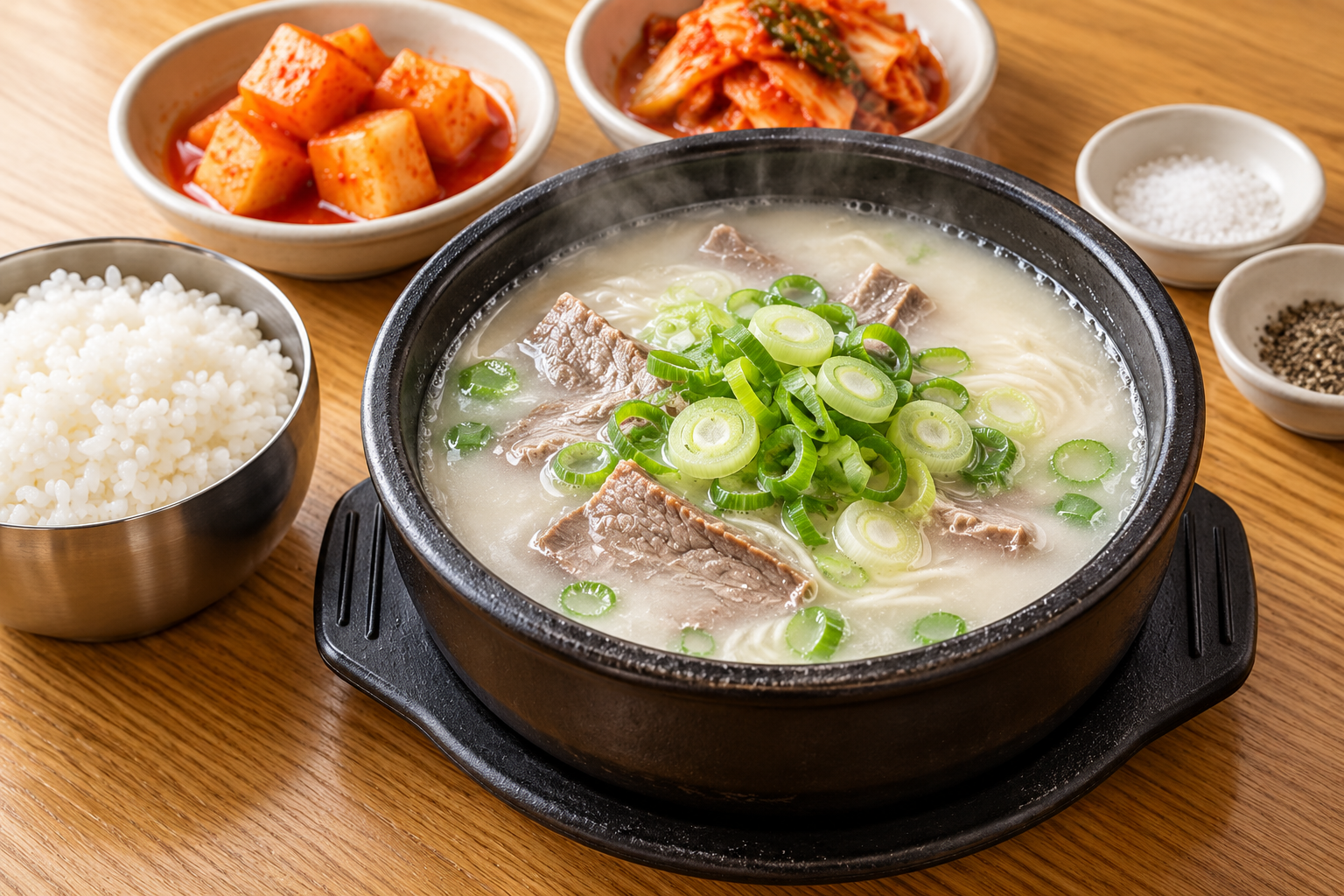 SeolleongtangMilky Korean beef bone soup: learn the ingredients, how to season it, and how to enjoy beef, rice and kkakdugi.
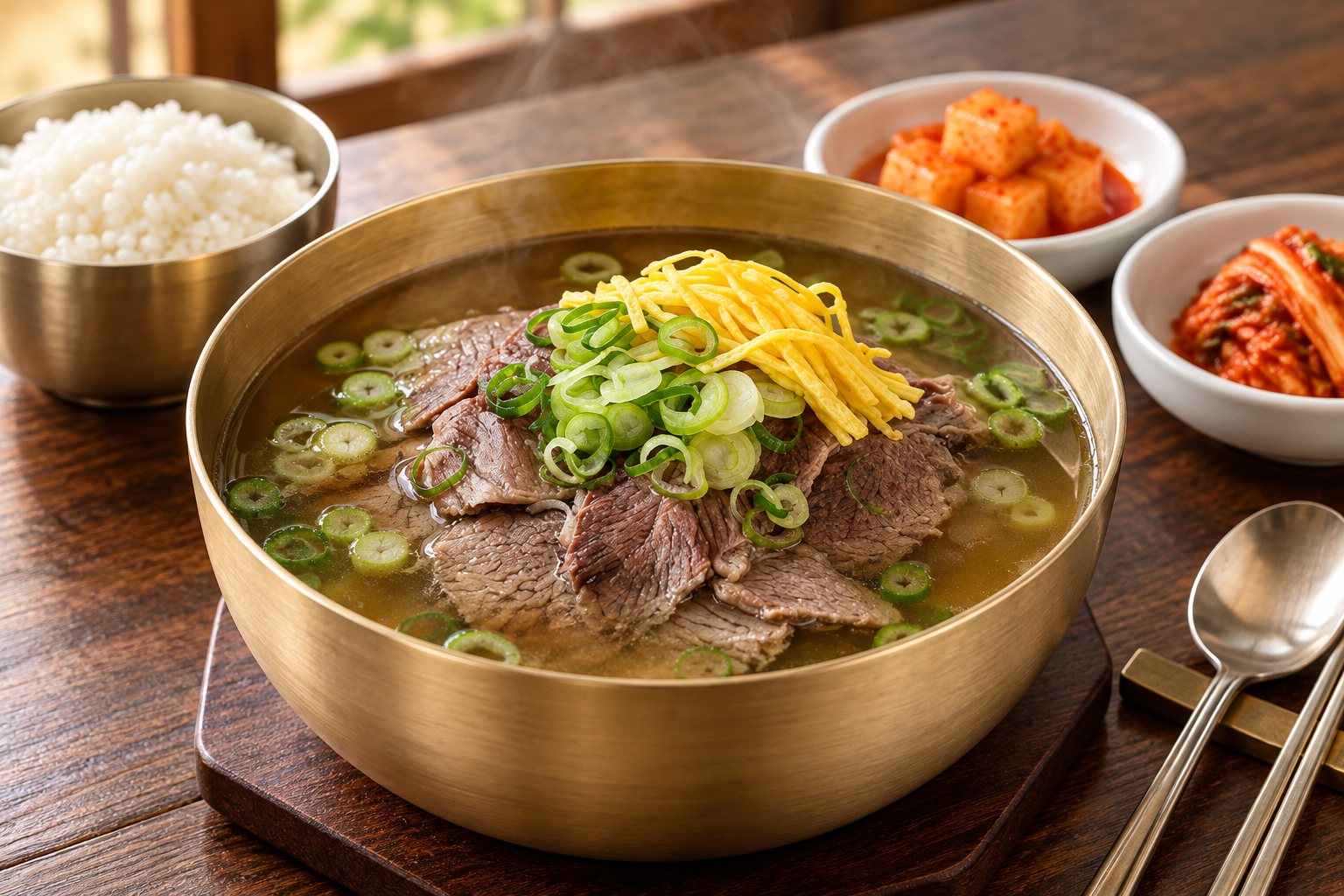 GomtangA clear beef soup style with tender sliced meat: discover gomtang ingredients, restaurant variations and two easy ways to enjoy it.
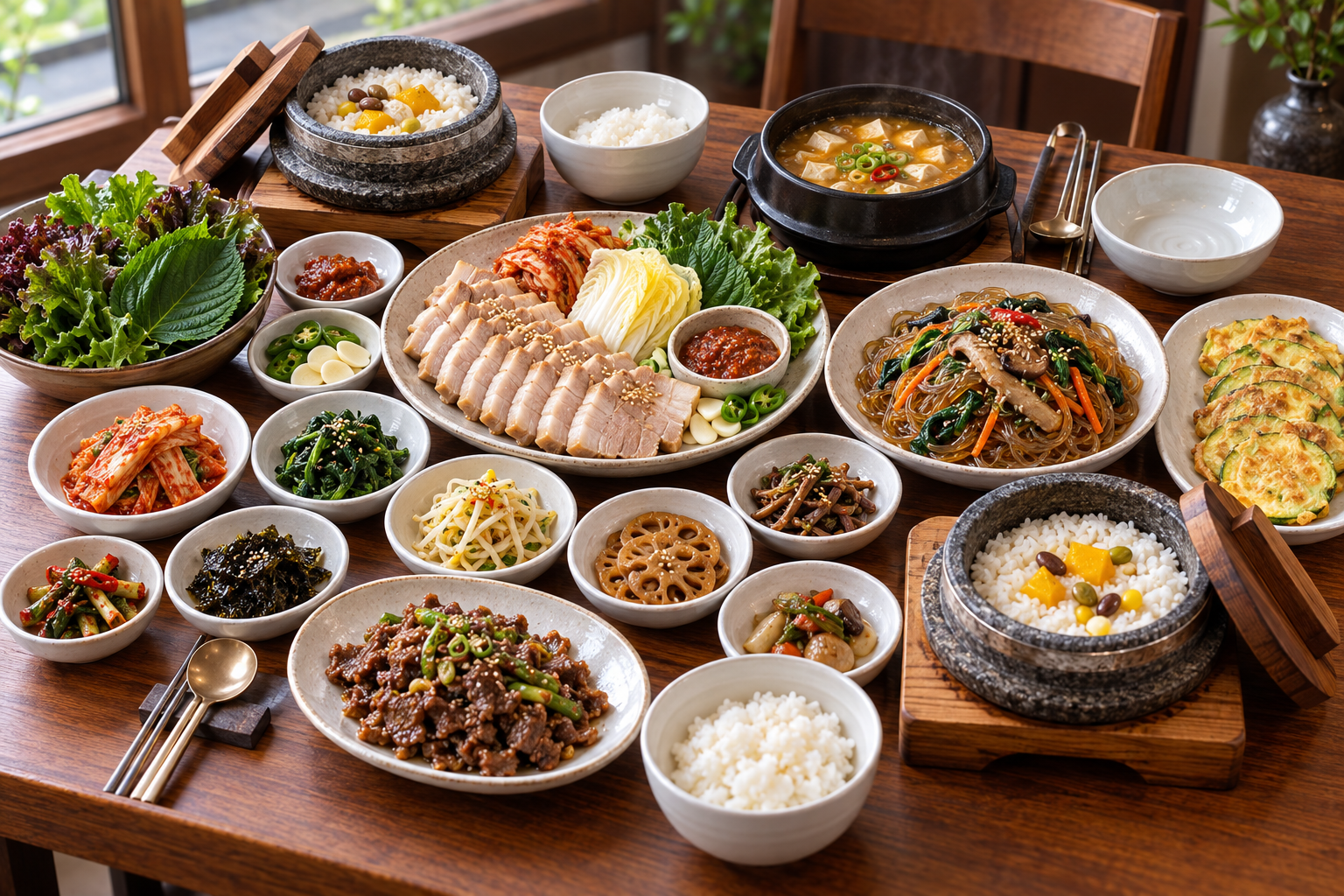 Han-sang charimA full Korean table with stone-pot rice, stew, wraps and banchan, explained in six illustrated dining steps.
Official reference: Korea Tourism Organization: Korean food guide. Ingredients, portions and restaurant preparation vary; confirm allergens and dietary needs with the restaurant.
HELP IMPROVE THIS GUIDE
Leave a Reply