EVERYDAY, CELEBRATION & HANJEONGSIK · 한정식
Hanjeongsik: ingredients, nutrition & how to enjoy it
A Korean set meal explained through eight dining scenes, from rice and banchan to grilled fish and a sweet finish.

What is Hanjeongsik?
Hanjeongsik is a Korean set meal that brings several preparations together around rice and soup. A restaurant may serve the dishes all at once or as a sequence of courses. The pleasure lies in moving between flavors and textures: lightly seasoned greens, tangy kimchi, sweet-savory beef, springy noodles, warm pancakes and grilled fish. The supplied images illustrate one generous selection rather than a universal menu.
Hanjeongsik describes a set-meal format. Han-sang charim describes a table laid with a meal, so the terms can overlap. Neither promises a fixed number of dishes, royal-court cooking or every item shown here. Regional ingredients, season, price and the restaurant’s style determine the actual selection.
Ingredients and what they bring to the meal

Rice, soup and vegetables
Rice anchors the stronger flavors. Soup may be clear or more substantial. Namul are seasoned vegetable dishes; kimchi contributes a fermented, often chili-seasoned contrast. Stock and vegetable seasonings can include animal ingredients.
Beef, fish and eggs
The illustrated table includes bulgogi, grilled fish and egg dishes. They provide different sources of protein; the fish species, beef cut and egg preparations vary.
Glass noodles and jeon
Japchae usually uses sweet-potato-starch noodles with vegetables and seasonings, sometimes meat. Jeon may be sliced vegetables coated in flour and egg or a mixed batter containing seafood.
Fermented sauces and aromatics
Soy sauce, garlic, scallions and sesame are common flavor builders. Ssamjang accompanies leafy wraps. Ingredients are combined across several dishes, so an allergy check needs to cover the whole set.
Nutrition in context
Variety makes it possible to combine vegetables, protein foods and grains, but a large number of dishes is not a nutritional guarantee. Rice and glass noodles both supply carbohydrate; jeon absorbs cooking oil; marinades and desserts may contain added sugar. Soup, kimchi, pickles and sauces can accumulate sodium across the meal. Begin with small portions, include vegetables and protein, and return for more according to appetite. Nutrition cannot be totaled without the restaurant’s recipes and portions.
Allergens and dietary needs: Soy, wheat, sesame, egg, fish and shellfish can appear across the set. Kimchi, stock, pancake batter and sauces need specific confirmation; removing a garnish is not enough.
How to enjoy Hanjeongsik: a photo guide
Use these scenes as a practical guide. The pictured dishes are examples; follow the menu and serving arrangements at your restaurant.
1. Rice and soup: establish the base

The first scene pairs plain rice with a clear soup containing pale vegetable pieces. Take a small spoonful after it cools, then alternate rice with the other dishes. Soup is an accompaniment, not an instruction to finish a large bowl before tasting anything else.
2. Namul and kimchi: explore contrasts

The second scene highlights seasoned greens alongside bean sprouts and cabbage kimchi. Taste one small portion at a time with rice to distinguish leafy, nutty and tangy flavors. Sesame garnish is visible; fish sauce or salted seafood in kimchi may not be.
3. Bulgogi: serve a small portion

The third scene uses serving tongs to transfer thin beef and onion from a shared platter. The sweet-savory marinade works especially well with plain rice. Use the serving utensil provided and take a manageable amount so others can share the dish.
4. Ssam: build a comfortable bite

The fourth scene combines a lettuce leaf, rice, meat and a little ssamjang. Start with a small leaf and modest filling, fold it inward and enjoy a comfortable bite. Perilla leaves add a different aroma when offered. A small dab of paste is usually enough to season the wrap.
5. Japchae: enjoy the springy noodles

The fifth scene shows glass noodles with vegetables and mushrooms. Transfer a small bundle to your plate, then taste the elastic texture and sesame aroma. Japchae can be served warm or at room temperature; it is a seasoned dish in its own right, not a plain noodle substitute.
6. Jeon: taste while warm

The sixth scene shows golden zucchini rounds and other vegetable pancakes. Enjoy the tender center and lightly browned coating while warm. Dip just one edge into the soy-based sauce to preserve the texture and avoid overwhelming the vegetable flavor.
7. Grilled fish: check each bite for bones

The seventh scene shows a diner separating white fish flesh from a grilled piece. Gently lift the flesh away from the backbone and check for fine bones before pairing it with rice. Do not assume a fillet is boneless, and ask staff for help if needed.
8. Sikhye and sweet bites: finish gently

The eighth scene illustrates a drink with pear slices and flower-shaped sweets resembling yakgwa. If sikhye is served, its sweet rice character offers a different finish from hot tea. Dessert is optional and restaurant-dependent; enjoy a small portion according to appetite rather than expecting every set to include it.
Use shared serving utensils when provided, check fish for bones and allow hot soup and egg dishes to cool. Ask staff to identify an unfamiliar dish rather than guessing its ingredients from appearance.
Before you order
Ask for the current set menu, price per person, minimum party size, serving style and expected meal duration. Check whether rice, dessert and drinks are included. Refills may apply to some banchan but not premium dishes, so ask rather than assume. Mention allergies or dietary restrictions when reserving; a kitchen may not be able to replace every component at the table.
Useful Korean phrases
Which dishes are included in today’s set?
May we have more of the side dishes?
Does the fish contain bones?
Sources and editorial notes
Food descriptions and photo explanations are VEMORIQ editorial guidance. Images illustrate possible servings, not verified restaurant menus. Nutrition is qualitative and is not a laboratory analysis or a personalized diet plan.
- Korea Tourism Organization: Korean food background
- USDA MyPlate: protein foods and nutrients
- FDA: safe food handling
Prepared by the VEMORIQ Editorial Desk · Updated October 2, 2026.
More from this season
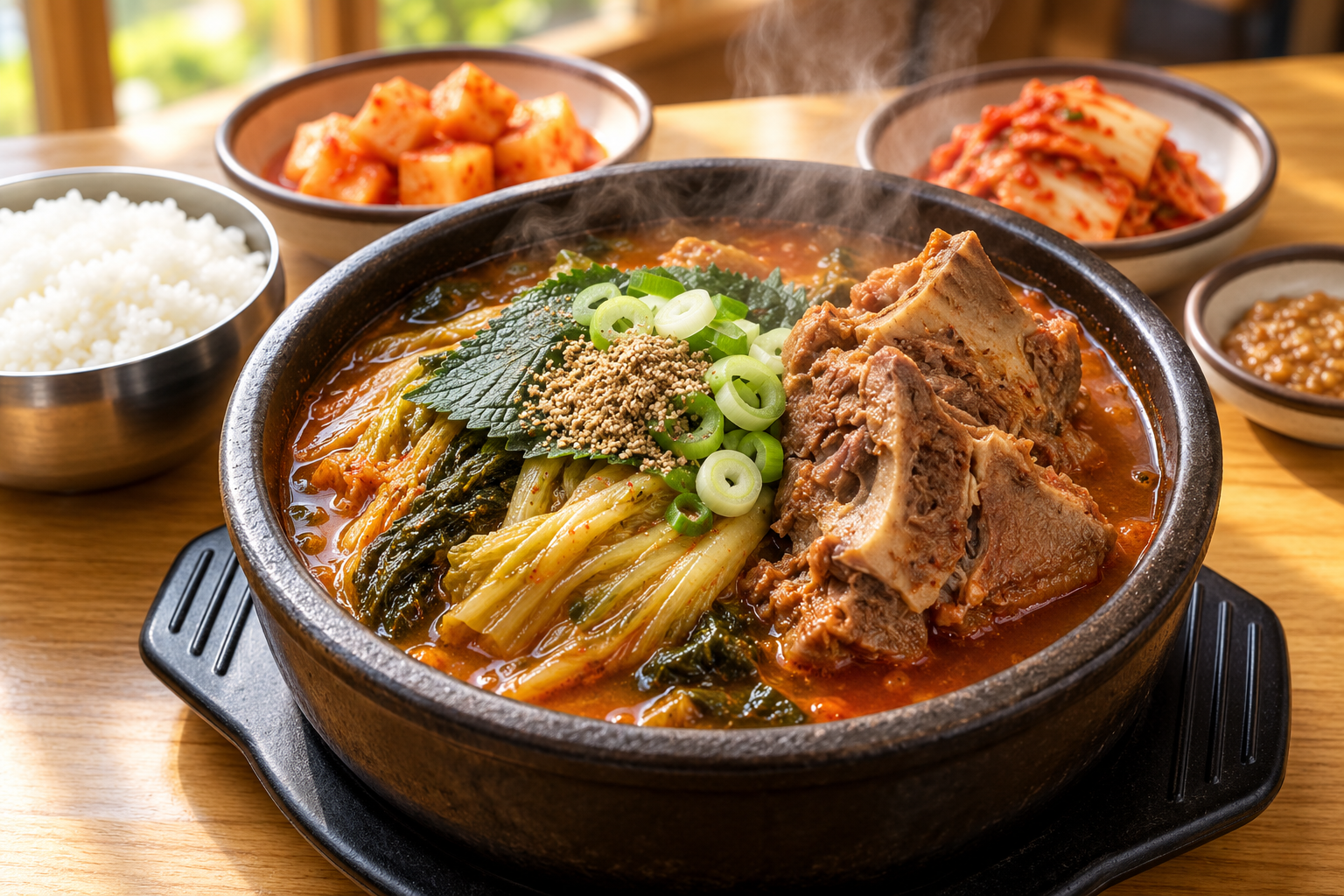 Ppyeo-haejanggukTender pork around the backbone, leafy greens and a spicy, savory broth: learn the ingredients and how to enjoy the bowl comfortably.
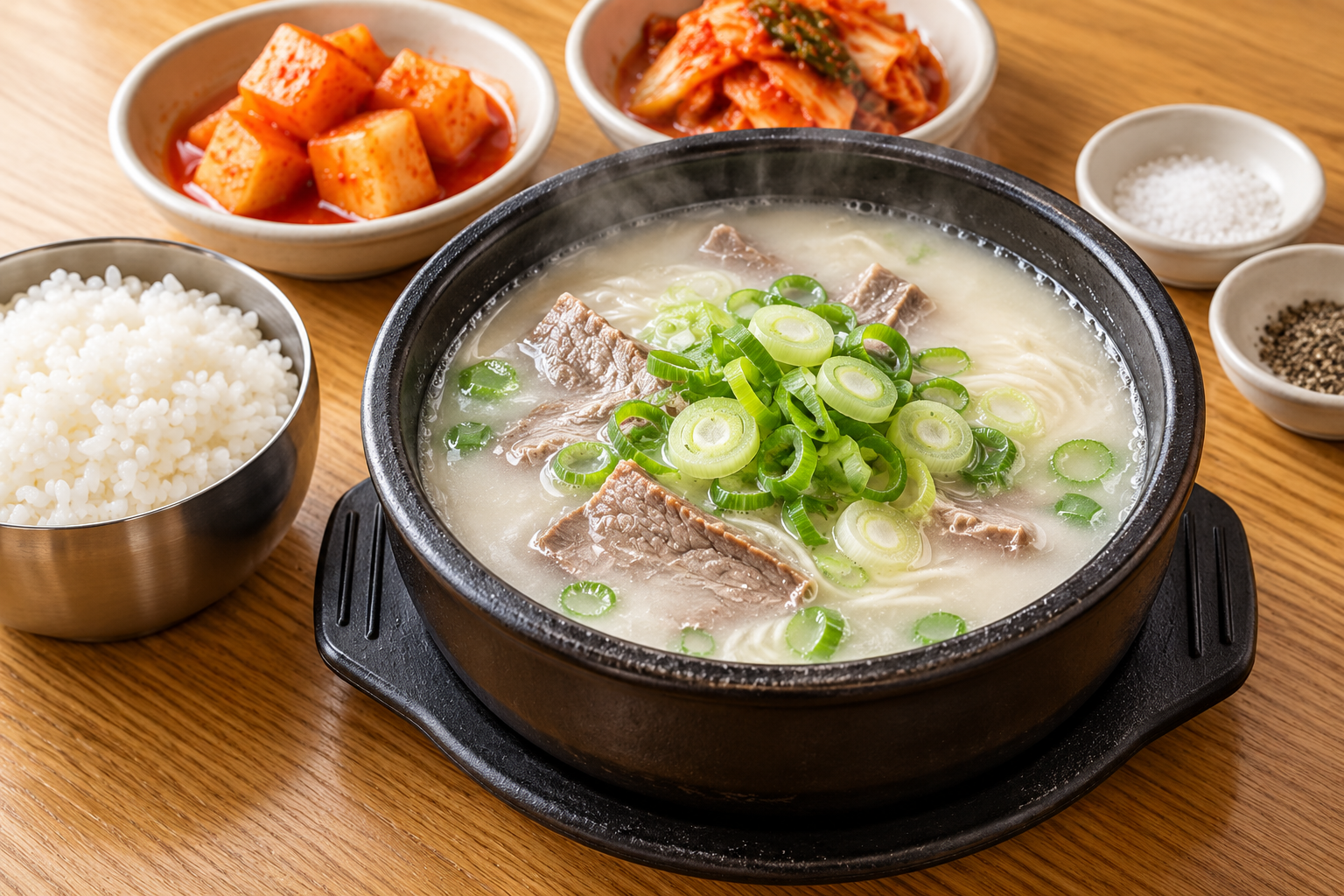 SeolleongtangMilky Korean beef bone soup: learn the ingredients, how to season it, and how to enjoy beef, rice and kkakdugi.
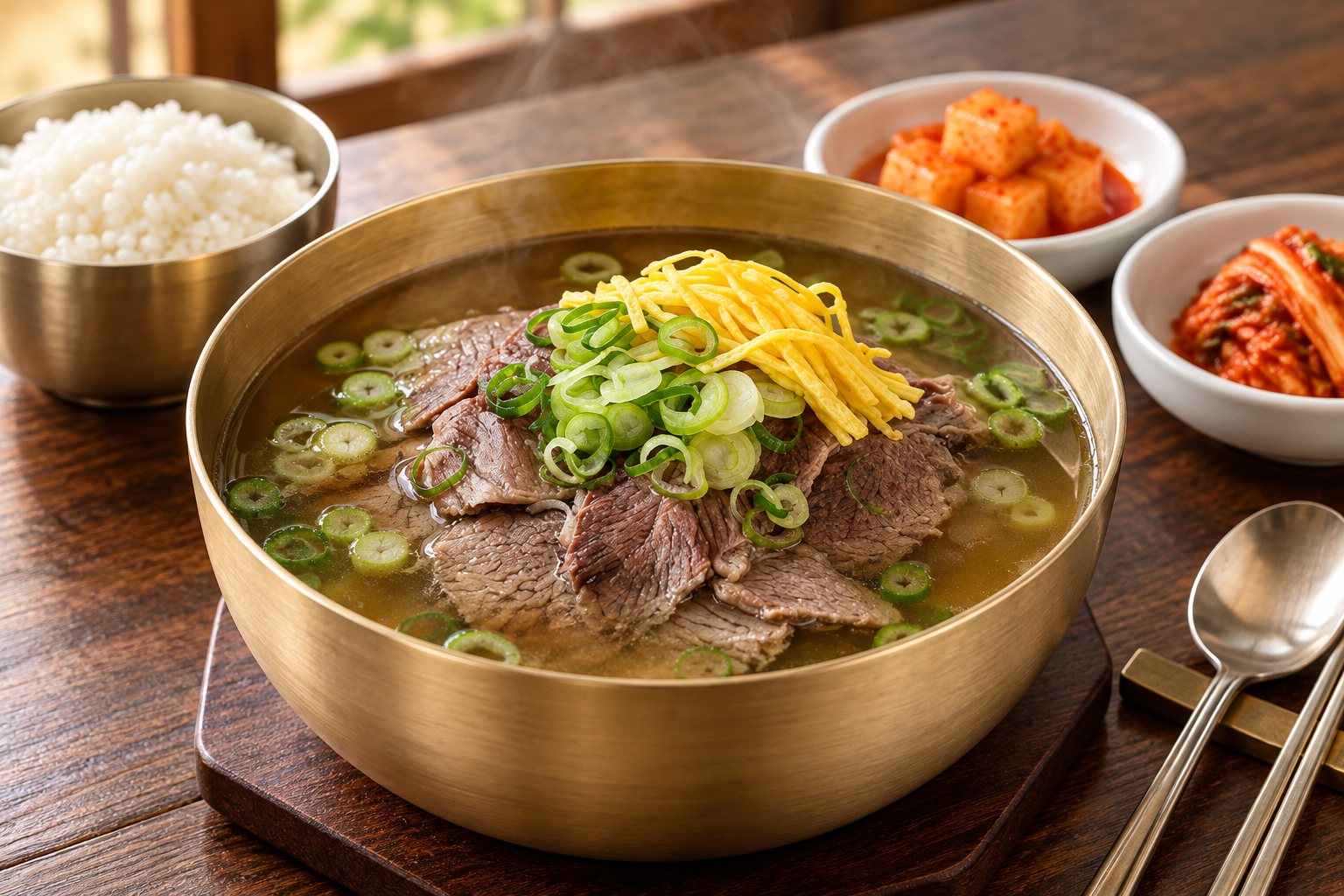 GomtangA clear beef soup style with tender sliced meat: discover gomtang ingredients, restaurant variations and two easy ways to enjoy it.
Official reference: Korea Tourism Organization: Korean food guide. Ingredients, portions and restaurant preparation vary; confirm allergens and dietary needs with the restaurant.
HELP IMPROVE THIS GUIDE
Leave a Reply