Spring Korean food guide
Jindallae Hwajeon · 진달래화전
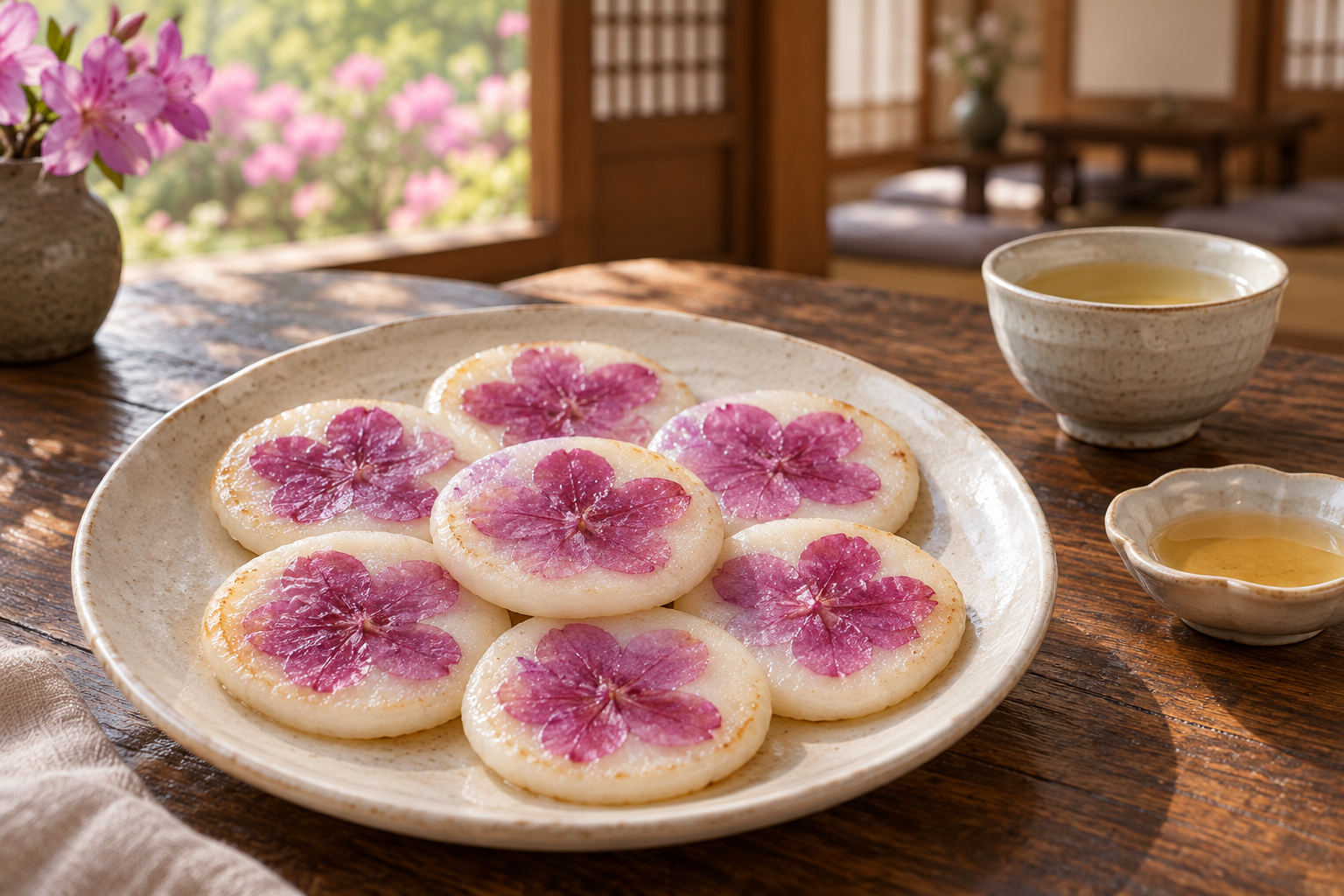
A traditional spring rice cake associated with Samjitnal: small discs of glutinous-rice dough are gently pan-seared and decorated with pink jindallae petals. Its appeal is quiet—soft chew, a lightly toasted surface and a delicate floral accent rather than heavy sweetness.
Flavor & texture
The center is soft and pleasantly chewy, with faintly crisp, oil-kissed edges. Food-grade petals add a subtle floral impression; sugar or syrup supplies restrained sweetness. Gentle heat matters because hard browning can overwhelm both the flower and the rice aroma.
Nutrition context
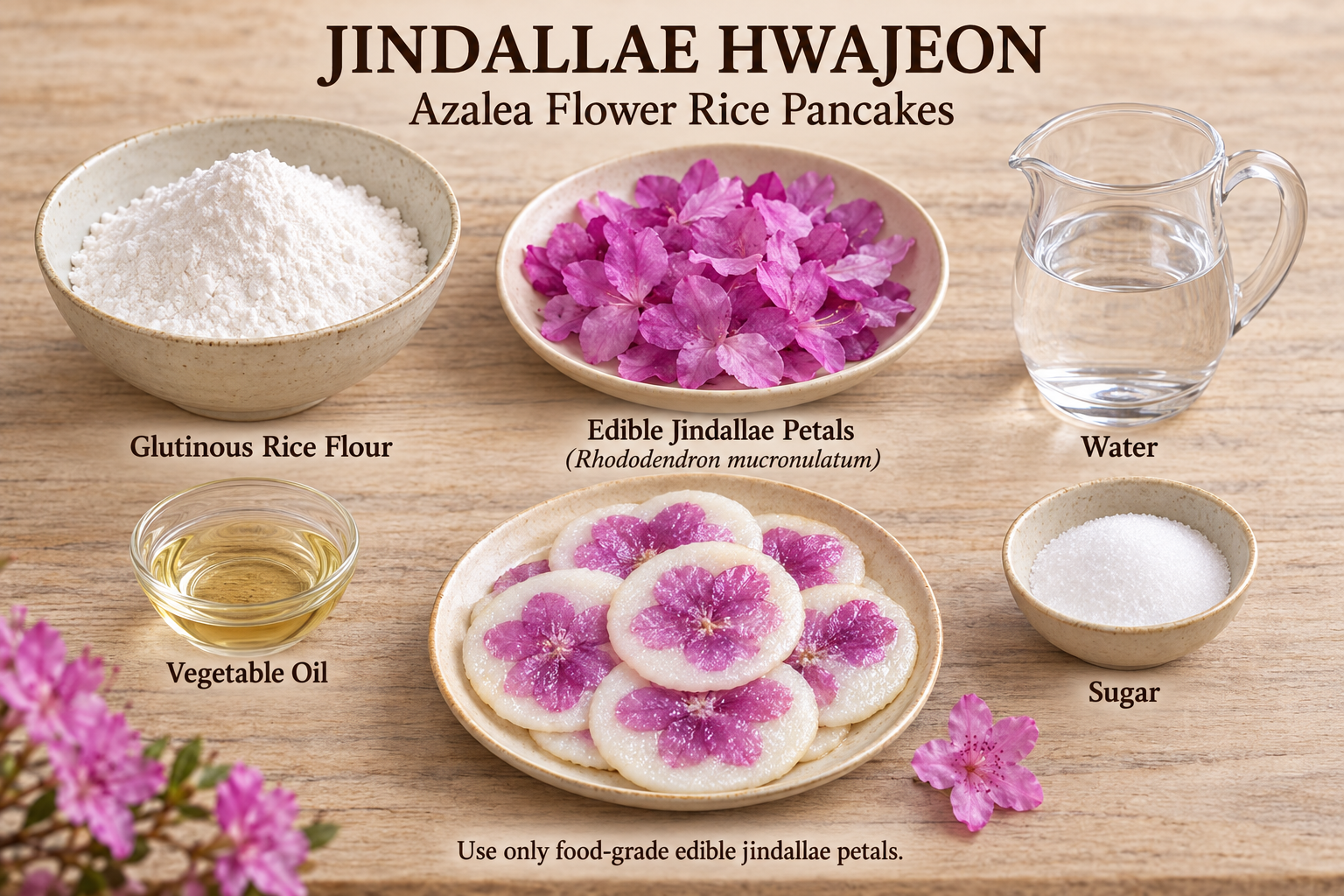
Glutinous rice flour supplies most of the carbohydrate, while frying oil and any sugar, honey or syrup increase energy density. The dish is generally low in protein and fiber, so it is best understood as a small seasonal sweet rather than a nutritionally complete snack.
How it is made
Glutinous rice flour is hydrated and shaped into small discs, then pan-cooked over gentle heat. Verified food-grade petals are placed carefully so they keep their color and do not scorch. Serve fresh, when the rice cake is at its most tender.
Chili heat
No chili heat. Sweetness depends on the amount of sugar, honey or syrup served with it.
Main ingredients
Ingredients and preparation vary by restaurant. Confirm allergens and dietary requirements when ordering.
How to enjoy it

Official reference: Korea Tourism Organization: Spring Korean food guide. Ingredients, portions and restaurant preparation vary; confirm allergens and dietary needs with the restaurant.
More from this season
 Dallae Bibimbap · 달래비빔밥Built around dallae, a spring wild chive with a clean onion-garlic aroma, this rice bowl balances warm grain, crisp vegetables and a bright soy-sesame dressing.
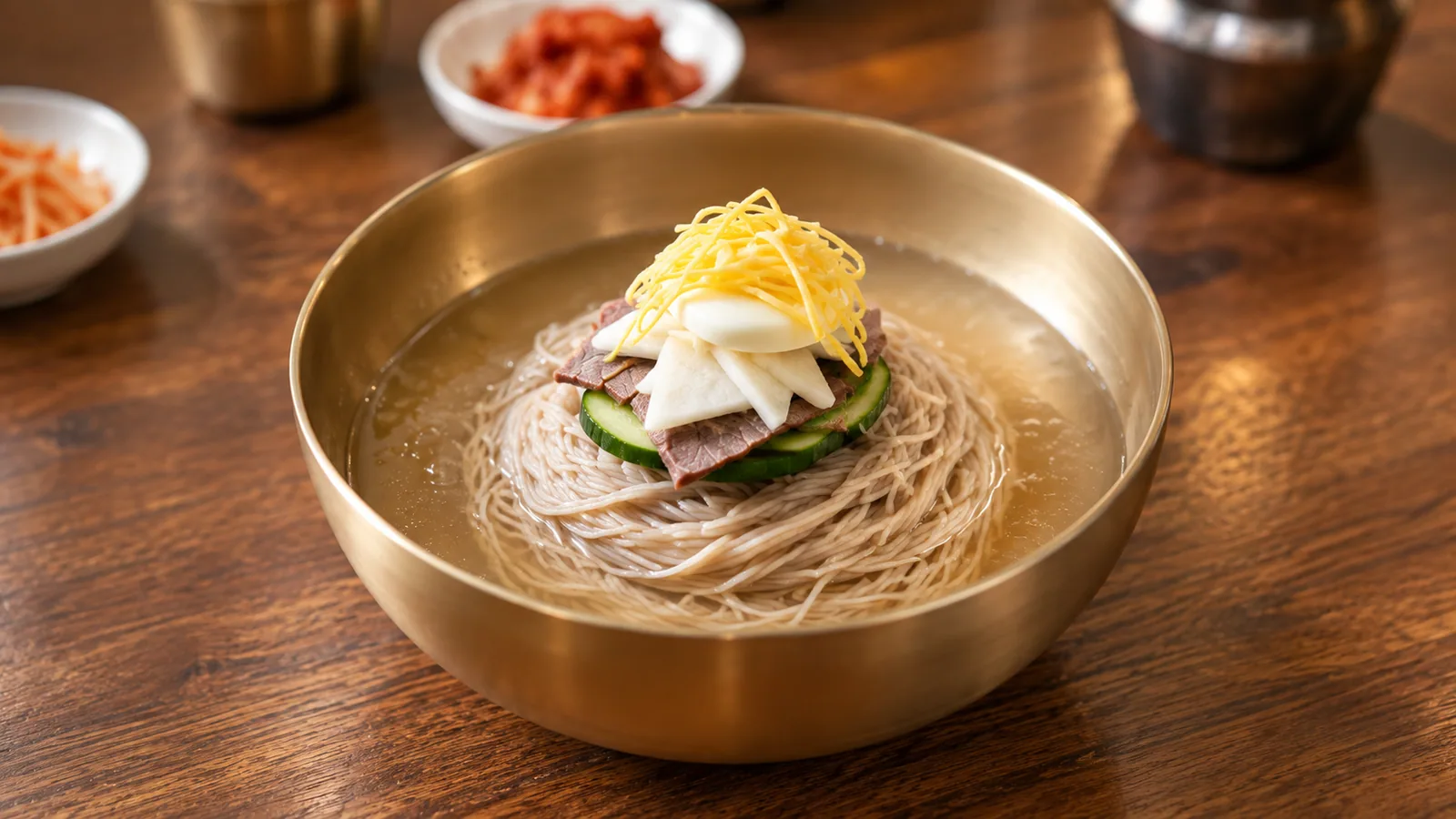 Pyeongyang Naengmyeon · 평양냉면Delicate buckwheat noodles in a restrained meat broth; the pleasure is aroma and aftertaste, not aggressive seasoning.
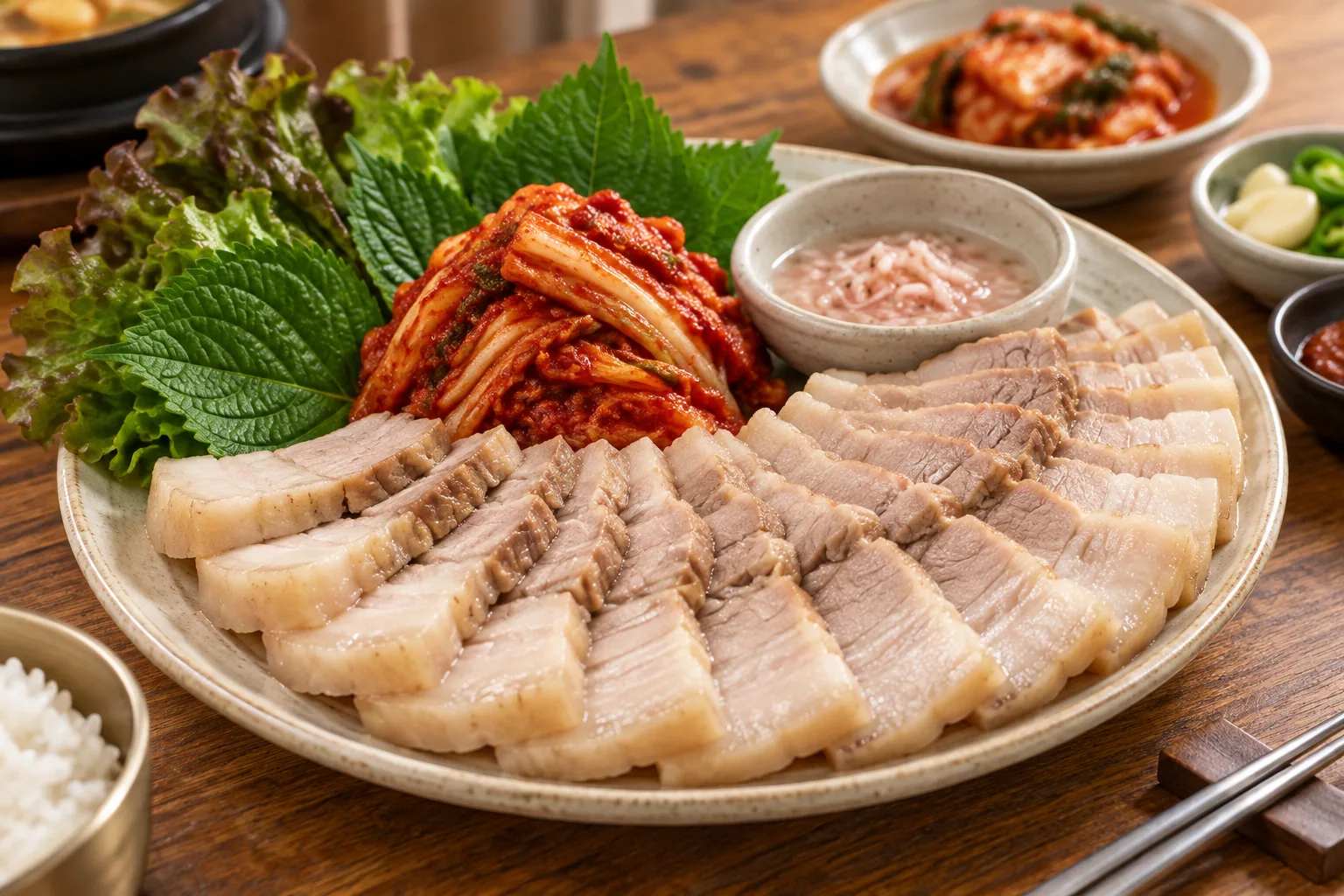 Pork Suyuk · 돼지고기 수육A whole piece of pork is gently cooked in seasoned water, rested and sliced. This guide shows the popular pork-belly version; suyuk can also be made with other pork cuts or beef.
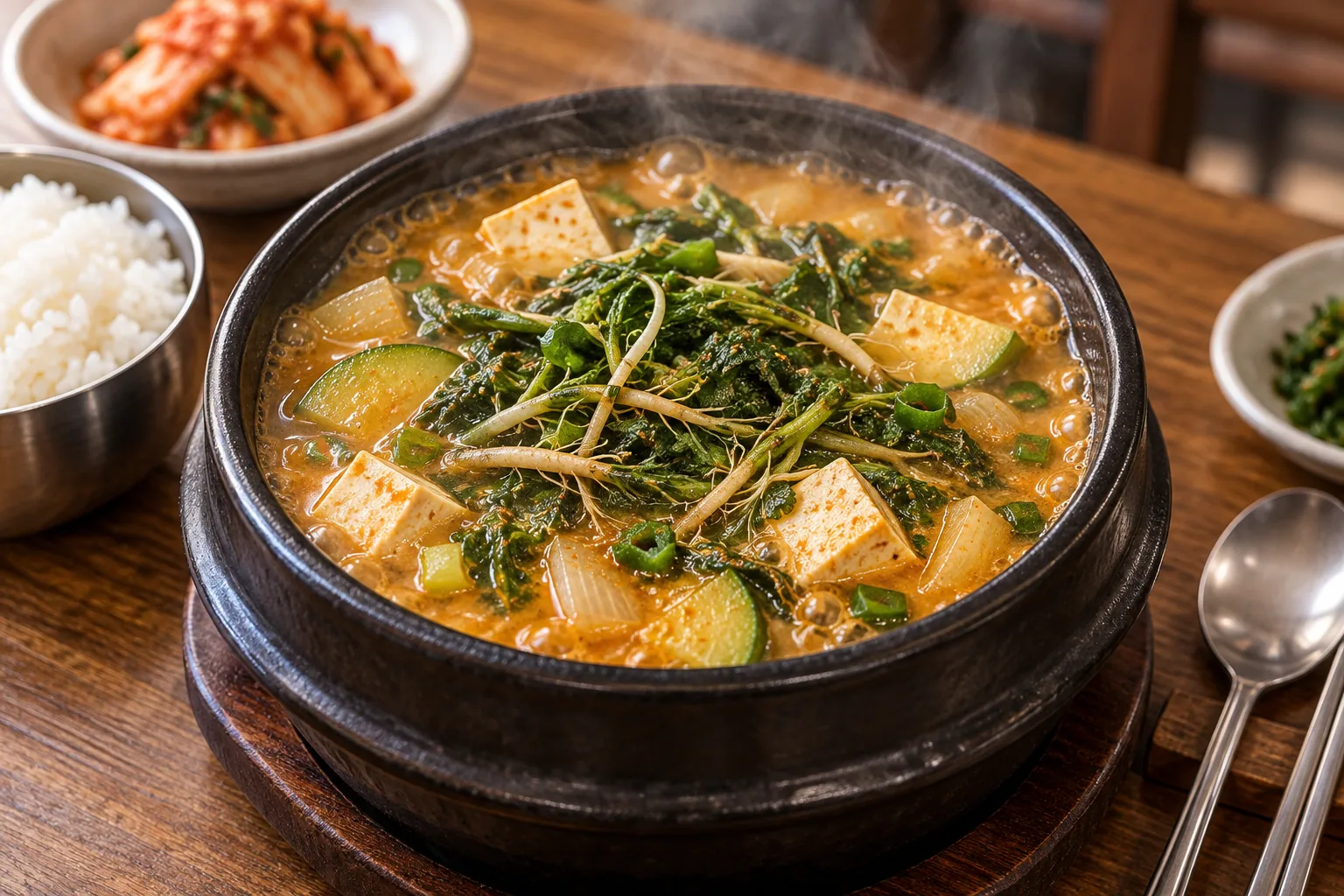 Naengi Doenjang Jjigae · 냉이된장찌개An early-spring stew that lets naengi—the leaves and fine roots of shepherd’s purse—perfume a gently seasoned doenjang broth. The defining character is not chili heat but the meeting of earthy fermented-soybean savoriness and the herb’s fresh, faintly bitter fragrance.
HELP IMPROVE THIS GUIDE
Leave a Reply